

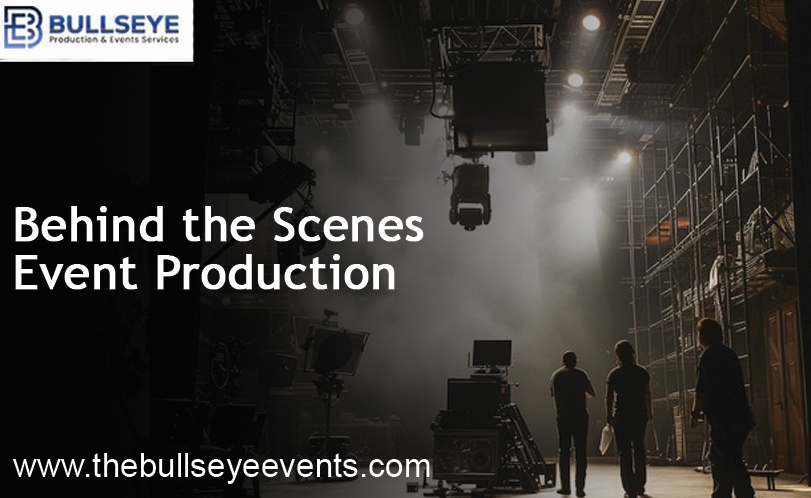
Every successful event looks easy to the guests. There is a lot of work that goes on behind the scenes. This work starts months before the event. Involves planning, coordination and technical expertise. Whether it is a conference, a product launch, a wedding, an exhibition or a live concert an experienced events organizer in Dubai plays a big role in making the event happen. They take care of everything from choosing the venue and managing vendors to handling lighting, sound, staging and guest coordination. All these details are carefully planned before the guests arrive. The work that happens behind the scenes determines whether an event is memorable or stressful.
Dubai is a place for international events because it has modern venues, advanced technology and skilled event professionals. However organizing an event is not just about booking a venue. It involves teamwork, logistics, creative planning, risk management and flawless execution. Understanding what happens behind the scenes helps businesses and individuals appreciate the value of event production and why expert planning is essential for every successful occasion.
What Is Event Production?
Event production is the process of planning organizing, coordinating and executing every operational aspect of an event. It combines creativity with project management to ensure every detail works together seamlessly. Event production is different from event planning because it focuses on the technical elements that guests often do not notice unless something goes wrong.
These responsibilities include:
* Stage construction
* Audio and visual systems
* Lighting design
* LED screen installation
* streaming
* Venue setup
* Power management
* Guest experience
* Technical rehearsals
* Safety management
Every department works together to create an enjoyable event from start to finish.
Why Behind-the-Scenes Planning Matters
Many people only see the venue the beautifully decorated stages and the professional presentations. However successful events depend on preparation that begins weeks or even months in advance. Proper planning helps reduce problems stay within budget improve guest experience coordinate multiple vendors meet event deadlines ensure safety compliance and deliver professional results. Without planning even small issues can affect the entire event schedule.
The Event Production Process
Understanding Client Requirements
Every successful event begins with understanding the clients objectives. Event professionals discuss the purpose of the event the target audience, the number of attendees, the budget, venue preferences, branding requirements, entertainment needs and technical expectations. These discussions create a roadmap for the production process.
Venue. Site Inspection
Choosing the venue is one of the most important decisions in event production. Before confirming a location production teams inspect the space, parking facilities, accessibility, electrical capacity, internet connectivity, emergency exits, loading areas and stage positioning. A detailed site visit helps identify challenges before the event day.
Creative Concept Development
Every memorable event starts with a vision. The production team develops concepts that align with the clients goals while creating an experience for attendees. Creative planning includes theme development, stage design, brand integration, decorative elements, lighting concepts, audience engagement ideas and digital presentations. This stage ensures the event has an professional appearance.
Technical Production
Technical production is the backbone of every event. Professional audio systems are essential for speeches, presentations, concerts and performances. Technicians carefully. Test speakers, wireless microphones, mixers, audio processors and recording equipment. Every microphone and speaker is tested before the guests arrive.
Lighting Design
Lighting creates atmosphere. Directs audience attention. Production teams use lighting for stage visibility, product launches, award ceremonies, performances, decorative effects and mood enhancement. Modern lighting systems can also synchronize with music and presentations.
LED Screens and Visual Displays
Large LED screens improve audience engagement at conferences and exhibitions. They display company branding, live presentations, videos, speaker information, event schedules and live camera feeds. High-quality visuals help deliver presentations regardless of venue size.
Stage Design and Construction
The stage is often the point of an event. Production specialists carefully design stages based on audience size speaker requirements, entertainment performances, product launches, branding opportunities and camera angles. Safety inspections are completed before the stage is approved for use.
Vendor Coordination
Large events involve suppliers working together. Common vendors include caterers, florists, decorators, furniture suppliers, security teams, photographers, videographers, entertainment companies and transportation providers. Effective communication between vendors prevents delays. Ensures everything is delivered on time.
Logistics Management
Behind every event is a detailed logistics plan. Production managers coordinate equipment transportation, delivery schedules, loading times, storage areas, staff movement, parking arrangements and guest arrival plans. Efficient logistics minimize disruptions. Keep the event running according to schedule.
Rehearsals and Final Testing
Before the guests arrive every aspect of the event is thoroughly tested. This includes microphone checks, lighting cues, video playback, presentation timing, stage entrances, speaker rehearsals and live streaming tests. These rehearsals allow technicians to identify and resolve issues before the event begins.
Risk Management and Safety
Professional event production also focuses on safety. Teams prepare contingency plans for situations such as power outages, equipment failure, medical emergencies weather changes for events and last-minute schedule changes. Having equipment and emergency procedures helps ensure the event continues smoothly even if unexpected challenges arise.
Event Day Coordination
After weeks or months of preparation the event day is when every plan comes together. Behind the scenes production teams arrive hours before the guests to ensure every detail is ready. Typical event day responsibilities include setting up registration desks installing branding materials testing microphones and speakers finalizing stage decorations checking LED screens and projectors coordinating catering schedules confirming entertainment arrivals and managing parking and guest access.
Read More: Who Are the Top 10 AV Companies in UAE for Business Solutions?
The Role of Technology in Modern Event Production
Technology has changed how events are planned and managed in Dubai. Advanced tools help production teams create experiences while improving efficiency. Some of the common technologies include LED video walls, professional sound systems, intelligent lighting, live streaming and event management software.
Common Challenges During Event Production
Even the planned events can face unexpected issues. Professional production teams prepare for these situations in advance. Some common challenges include last-minute schedule changes, technical problems, weather conditions, vendor delays and large crowd management.
Why Businesses Hire Professional Event Organizers
Many companies choose to work with event professionals because organizing an event requires specialized knowledge, technical expertise and strong coordination skills. Benefits include project management, better budget control, access to trusted vendors, high-quality production equipment, creative event concepts reduced stress for clients, faster problem-solving and improved guest experience.
Why Dubai Is a Global Event Destination
Dubai has become one of the worlds leading destinations for business and entertainment events. Several factors contribute to its popularity, including world-class exhibition centers, luxury hotels and resorts modern conference facilities, excellent transportation infrastructure, international business environment, advanced event technology and diverse hospitality services.
Choosing the Right Event Production Partner
Selecting the production company is one of the most important decisions when planning an event. Consider the following factors: industry experience, technical expertise, portfolio, communication and comprehensive services.
Future Trends in Event Production
The event industry continues to evolve with technologies and changing audience expectations. Some growing trends include events, interactive LED displays, artificial intelligence, for attendee engagement, sustainable event practices, contactless registration systems, immersive audio-visual experiences, data-driven event planning and personalized guest experiences.
Conclusion
Behind every event there is a dedicated team that works very hard to make sure every little thing is carefully planned and done. This team takes care of things like choosing a venue and building a stage well as handling the technical and logistical aspects of the event and making sure all the guests are taken care of. An experienced events organizer in Dubai is able to bring creative ideas, technical know-how and good project management skills to turn ideas into events that people will remember.
Whether you are planning a conference for your company a new product launch, an exhibition, a fancy dinner or a private party hiring a professional to help with the event production can really help reduce your stress levels make things more efficient and create an experience that your guests will never forget. If you plan and execute the event properly it can make an impression on people and achieve what you wanted it to.
Frequently Asked Questions (FAQs)
1. What is event production?
Event production is about managing the technical, logistical and operational parts of an event including the stage, lights, sound, video and making sure everything runs smoothly.
2. Why should I hire an events organizer in Dubai?
A professional event organizer helps with planning dealing with vendors, logistics, budgets and technical production so you can be sure your event will go well from start to finish. The events organizer in Dubai will take care of everything.
3. How far in advance should I start planning an event?
If you are planning a corporate event or exhibition you should start planning at least three to six months in advance. For events you might only need four to eight weeks depending on how complicated they are. The events organizer in Dubai can help you with this.
4. What services are included in event production?
The services often include choosing a venue designing the stage handling the lights and sound setting up LED screens coordinating the decor, logistics, entertainment, live streaming and providing support on site. The event production team will take care of all these things.
5. Can event production companies handle both private events?
Yes they can. Most professional companies can handle all kinds of events including conferences, exhibitions, weddings, product launches, award ceremonies and private parties. The events organizer in Dubai can do all of these.
6. What technology is commonly used during events?
Nowadays events often use LED video walls, special lighting, professional sound systems, live streaming, event management software and digital registration systems. The event production team will use all this technology to make the event successful.
7. How do event production teams prepare for issues?
They make plans have extra equipment ready do technical rehearsals work closely with vendors and make sure everyone is communicating clearly so they can quickly and efficiently solve any problems that come up. The events organizer, in Dubai will be prepared for anything.
