


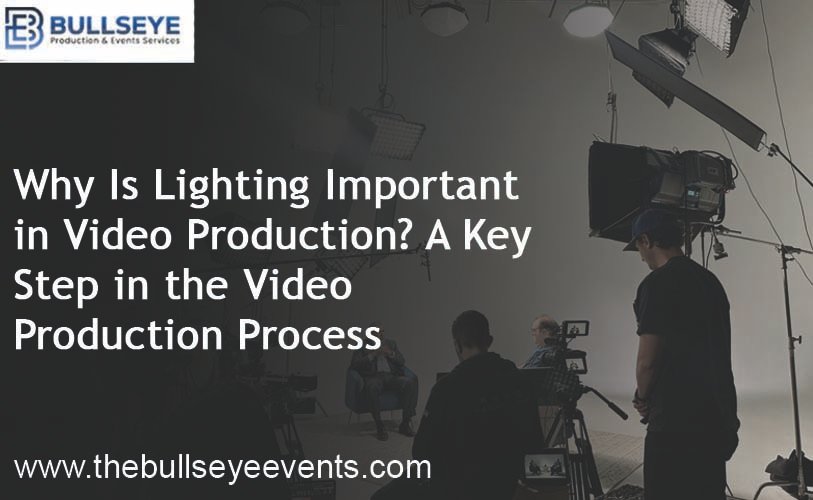
You can have a great script, a talented presenter and an expensive camera, and still end up with a video that looks cheap. Very often, the culprit is the light.
It’s easy to overlook. Viewers rarely say “nice lighting.” They just feel that a video is polished, or that it isn’t, and move on. In a 2026 video marketing survey, 89% of consumers said video quality affects how much they trust a brand. Quality covers a lot of ground, but lighting is one of the things that shape how professional a video feels.
That’s why lighting sits at the heart of the video production process, not at the end of it. In this guide we’ll cover why lighting matters, the techniques crews rely on, what a professional video lighting setup looks like, the equipment involved, and what to look for if you’re hiring video production services in Dubai.
The Importance of Lighting in Video Production
Light is what the camera actually records. Not the person, not the product, just the light bouncing off them. So how you light a scene decides what the viewer sees, and how they feel about it.
It sets the mood
Warm, soft light feels friendly and inviting. Cool, hard light feels clinical or tense. A founder interview lit with soft, flattering light says “approachable.” The same interview lit with one harsh overhead says something very different, and probably not what you meant.
It makes the image better
Good lighting gives the camera plenty to work with. You get cleaner footage with less grain, natural skin tones, true colours and a sense of depth. Poor lighting does the opposite: flat, muddy, noisy footage that no amount of editing fully rescues.
It builds credibility and saves money
Well-lit footage looks professional, and professional-looking video supports trust. It saves time, too. Fixing a badly lit shot in editing is slow, and sometimes a reshoot is the only answer. Spending extra time on the lights on shoot day is usually cheaper than either.
Where lighting fits in the video production process
Lighting isn’t just a shoot-day job. In pre-production, the team visits the location, looks at windows and ceiling lights, thinks about the time of day, and plans the look. During production, they build and adjust the setup. In post-production, colour grading works far better on footage that was lit properly in the first place. That’s why lighting runs through the whole process, whether it’s a short brand film or a full commercial.
Video Production Lighting Techniques
You don’t need to be a cinematographer to understand the basics. A handful of techniques cover most situations.
Three-point lighting
The classic. It uses three lights, each with its own job:
- Key light: the main, brightest source that lights your subject.
- Fill light: a softer light from the opposite side that reduces harsh shadows.
- Back light: placed behind the subject to add a thin edge of light and separate them from the background.
Together they give a face shape and depth instead of leaving it flat, which is why interviews and talking-head videos often look so good.
High-key and low-key
High-key lighting is bright and even, with few shadows. It suits corporate, product and explainer videos. Low-key lighting is darker and more contrasty, and creates a dramatic, cinematic feel. Pick the one that fits the story you’re telling.
Natural, artificial and mixed light
Window light and daylight look lovely but change by the minute. Studio lights give you control. The trouble starts when you mix the two, because they often have different colour temperatures, and one side of a face turns slightly blue or orange. Colour temperature, measured in Kelvin, simply describes how warm or cool a light looks. A good crew will balance the sources or block one of them out.
Shaping the light
Hard light makes sharp shadows, while soft light wraps gently around a subject. Crews soften light with diffusion, bounce it off reflectors, and block it with flags. Moving a light closer makes it softer and brighter, and moving it away does the opposite. Small changes make a big difference.
Professional Video Lighting Setup
What does a professional video lighting setup actually look like? Less mysterious than you’d think. It’s mostly careful, repeatable steps.
A simple walk-through
- Check the location. Where are the windows? What are the ceiling lights doing?
- Place the key light at an angle to the subject, not straight on.
- Add the fill light to soften the shadows.
- Add a back light for separation.
- Control spill and reflections with flags, or by moving lights or objects.
- Balance with the ambient light and match the colour temperatures.
- Check on the monitor and adjust until it looks right on camera, not just to the eye.
Common setups
For interviews, a three-point setup with a soft key light is the usual starting point. For product shots, soft light and reflectors help control highlights on shiny surfaces. At events and conferences, the team balances the venue’s own lighting with extra lights on the speakers, and plans for people who move around.
Lighting challenges in Dubai
Dubai has its own quirks. Midday sun is harsh and unforgiving outdoors, so shooting early or late in the day often looks better. Glass buildings and polished floors throw reflections into the frame. Indoors, venues often mix several kinds of light at once, and large halls need serious power to light well.
Mistakes to avoid
Flat, front-on light. Mixed colour temperatures. Shadows under the eyes from lights set too high. And windows that blow out to pure white behind the subject.
Lighting Equipment for Video Production
The kit list is shorter than people expect. Most professional setups are built from a few reliable tools.
The essentials
- LED panels and spotlights. Popular because they run cool, are energy efficient and can often change brightness and colour temperature.
- Softboxes and diffusers. They make light softer and more flattering.
- They bounce light back into shadows without needing another light.
- Flags and black cards. They block unwanted light and add contrast.
- Stands, clamps and gels. They hold the lights in place and let you adjust colour.
- Dimmers and a light meter. They give you control and consistency.
How to choose
Think about brightness, colour accuracy (lower-quality lights can leave odd colour casts), adjustable colour temperature, portability, and whether you need battery or mains power. Then think about the job. A one-person interview needs a very different kit from a conference or a commercial.
Buy, rent or hire a crew?
Buying makes sense if you shoot regularly. Renting suits a one-off project. But the kit is only half of it, because knowing where to put the lights matters as much as owning them. For bigger or more important projects, hiring a crew that brings both is usually the safer bet.
Video Production Services Dubai
If lighting still sounds like a lot to take on, that’s because it is, and it’s one of the main reasons businesses bring in professionals.
Why lighting skill matters when you hire
You can often judge a team’s lighting from their portfolio before you ever speak to them. Look at skin tones, how interiors look, and whether the footage feels consistent from scene to scene. That tells you more than any sales pitch.
What to look for
- A portfolio that shows well-lit work similar to your project
- Their own equipment, and the crew to use it
- A clear process from planning to delivery
- Experience with both indoor and outdoor locations
Good questions to ask: Who plans the lighting? What equipment is included? How do you handle a venue with mixed or difficult light?
If you’re looking for video production Dubai services, ask to see examples of their lighting work first.
A media production company in Dubai that treats lighting as part of the plan, not an afterthought, will happily walk you through its setups and equipment.
And if your video is for an event, our guide to choosing the best event company in Dubai makes a useful companion.
Frequently Asked Questions
Q1. Why is lighting important in professional video production?
Because it controls mood, clarity, colour and credibility. Good lighting makes footage look polished and cuts down on reshoots and fixes in editing, which saves both time and money.
Q2. What are the three main types of lighting used in video production?
Most people mean the three lights in a classic setup: key, fill and back light. Others group light by source instead: natural, artificial and practical (lamps and other lights visible in the scene). Both are useful to know.
Q3. What is the three-point lighting technique in filmmaking?
It uses a key light as the main source, a fill light to soften shadows, and a back light to separate the subject from the background. Together they create depth and a more natural, three-dimensional look.
Q4. Which lighting equipment is best for professional video shoots?
There’s no single best option. Look for good brightness, accurate colour, adjustable colour temperature and easy portability, then match the kit to the shoot. Add diffusers, reflectors and flags to shape the light.
Q5. How does proper lighting improve video quality?
It gives you a cleaner image with less grain, more accurate colour and skin tones, better depth, and a more polished final result. It also makes editing and colour grading easier.
Final Thoughts
Lighting is easy to forget about until a video looks wrong. By then, the damage is already in the footage. Treating it as a planned part of the video production process, from the first location visit to the final colour grade, is one of the simplest ways to make a video look professional.
The basics are easier than they seem. Learn how three-point lighting works, pay attention to the quality and colour of your light, and plan the setup around the place you’re shooting. In Dubai that means thinking about harsh sun outdoors and mixed lighting in venues indoors. Then choose equipment that suits the job, or work with a crew who already has it and knows how to use it.
The best lighting rarely draws attention to itself. Viewers just feel that the video looks right, and that’s what builds trust in the people behind it.
If you’re planning a video and want it to look right from the very first frame, talk to a team that treats lighting as part of the plan. Take a look at our video production process and get in touch about your project.
Or start by reaching out to a trusted media production company in Dubai and ask to see their work.
