

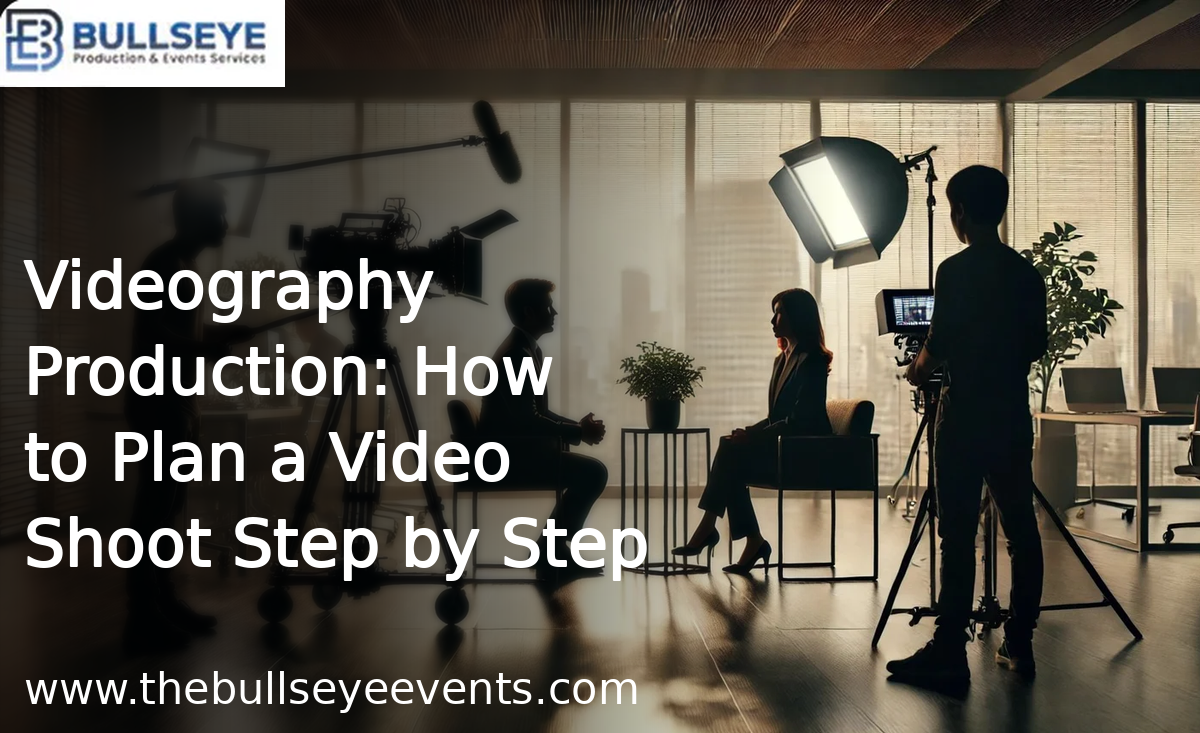
A good video never happens by luck. Behind every smooth clip sits a solid plan. Skip it and the shoot can quickly turn into a stressful mess. Delays pile up. Costs creep higher. The final footage often misses the point.
That is why videography production starts long before the camera turns on. This guide walks you through each step in plain words. Follow it from the first idea to the final upload. By the end you will know exactly how to plan a video shoot without stress.
Why Planning Matters in Videography Production
Many people think a video is just about pressing record. Reality looks very different. A shoot involves people. It involves places. It involves gear that must work on time. One missed detail can ruin a whole day.
Planning protects your budget. It keeps the crew calm. It also helps you tell a clear story. In Dubai the weather and busy locations add extra twists. A strong plan helps you handle them with ease.
Step One Pick a Clear Goal
Every videography production project starts with one simple question. Why are you making this video? Maybe you want more sales. Maybe you want to introduce a new product. Some people simply want to show off an event. Each goal leads to a different style.
Write your goal in one sentence. Stick it on the wall. Every choice from here should support it. If an idea does not help the goal drop it.
Step Two Know Your Audience
Think about who will watch. Young shoppers enjoy short fast clips. Business buyers prefer calm and clear messages. Event guests love lively moments that bring back memories.
Also decide where the video will live. A clip for social media needs a different shape than a film for a website. Vertical works best on phones. Wide screens suit presentations. Choosing early saves a lot of reshooting later.
Step Three Set a Realistic Budget
Money shapes every other decision. Know your limit before you talk to anyone. Then split it into parts. The crew takes one slice. Gear takes another. Locations and editing need their share too. Keep a small reserve for surprises.
Cheap options can cost more in the end. A weak recording means a reshoot. Bad sound can sink an otherwise great clip. Spend where quality shows most. That usually means the camera work and the audio.
Step Four Write the Idea and Script
Turn your goal into a short story. Every good video has three parts. It opens with a hook. It builds with useful details. It closes with a clear next step for the viewer.
Write a simple script. Keep sentences short. Read them out loud. If a line sounds stiff change it. Real people talk in easy words. Your video should too.
Not every video needs spoken lines. Some rely on music and visuals alone. Even then a short outline keeps everyone on the same page.
Step Five Sketch Your Shots
A storyboard is just a set of rough drawings. Stick figures work fine. Each drawing shows one shot. You see what the camera will capture before anyone arrives on set.
Next make a shot list. This is a simple checklist of every clip you need. Tick each one off during the day. It stops you from leaving the location with missing footage. Few things feel worse than spotting a gap in the editing room.
Step Six Choose the Right Team
People make or break videography production. A small project might need one camera operator. A bigger one adds a director. Sound staff and lighting helpers join as the scale grows. Someone should also lead the schedule.
Check past work before you hire. Watch a few sample videos. Do they match the look you want? Ask how they handle problems on the day. A skilled team stays calm when plans change. Hiring a local team in Dubai also brings useful knowledge about venues and rules.
Step Seven Scout the Location
The place sets the mood. Visit it before the shoot day. Walk around with your phone. Note where the light falls. Listen for noise from traffic or machines. Check power sockets. Look for quiet corners where people can rest.
Dubai brings its own quirks. Summer heat can drain crews and gear. Plan outdoor scenes for early morning or late afternoon. Public places often need a filming permit. Drone shots need approval too. Ask about rules well ahead of time because approvals can take time.
Step Eight Pack the Right Gear
Gear for videography production should match the goal. A phone with a steady grip can suit a quick social clip. A polished brand film needs a proper camera. Good lenses make faces and products look sharp. Sturdy stands keep shots smooth.
Never ignore sound. Viewers forgive a soft image faster than muffled speech. Use a clip on microphone for interviews. Spare batteries are a must. Extra memory cards help too. Pack a backup of everything that matters.
Light shapes the look of every frame. Soft light flatters people. Harsh light creates strong shadows. Natural window light works well indoors. Outdoors a simple reflector can bounce light onto faces.
Step Nine Build a Shoot Schedule
A schedule turns your plan into a timeline. List each scene with a start time. Add travel time. Breaks matter too. Shoot the hardest scenes when energy is highest. Group scenes by location so the crew does not run back and forth.
Share the schedule with everyone a few days early. Include contact details and the exact address. Mention what to wear and what to bring. Clear notes prevent confusion on the morning.
Step Ten Prepare People and Props
Nervous speakers need help. Send questions ahead of time. Let them practise once. A friendly chat before the camera rolls calms most people. Remind them to drink water and rest the night before.
Prepare props early. Costumes and products need the same care. Test each item. Clean everything twice. Pack spares for anything fragile. A smudged product on screen looks careless.
Step Eleven Run the Shoot Day Smoothly
Videography production days move fast. Arrive early. Set up gear before the talent arrives. Do a quick test recording. Play it back to check sound and picture. Fixing a problem now takes minutes. Later the same fix can take a whole day.
Follow the shot list but stay flexible. Sometimes a surprise moment looks better than the plan. Capture extra footage whenever you can. Extra clips give editors more choices. Record a few seconds of quiet room sound too. It helps smooth the edit.
Step Twelve Edit and Share
Editing is where raw clips become a story. Sort the footage first. Pick the best takes. Cut anything slow. Add music that fits the mood. Add simple text where it helps. Colour tweaks give the whole video a clean look.
Share a first draft with your team. Gather feedback in one round. Too many rounds drag the project out. Then export the final video in the right format for each platform. Add clear titles and short captions so more people find it.
Common Mistakes to Avoid
Rushing the planning stage tops the list. Skipping a location visit comes next. Ignoring sound is another classic. Some teams forget permits until the last day. Others pack the schedule so tight that nobody can breathe.
Avoid these slips and your shoot will run far smoother. Videography production rewards patience. Small steps taken early save big headaches later.
Final Thoughts
Planning a video shoot looks like a lot of work. It becomes easy once you take it one step at a time. Pick a goal. Know your audience. Set a budget. Write a script. Scout the place. Pack the right gear. Build a schedule. Then shoot with confidence.
Strong videography production does not rely on luck. It relies on preparation. If the project feels too big for your own crew bring in a professional team. Experts handle the camera work. They sort the permits. They polish the final cut. You focus on your message. Start your plan today. Your next video will thank you.
