

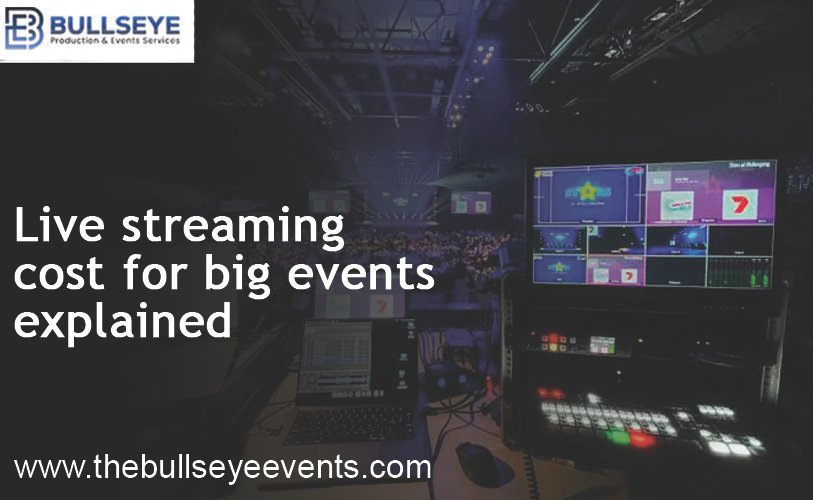
Planning a major event in Dubai involves more than choosing a venue, speakers, entertainment, and production setup. If your audience will also watch online, streaming becomes an important part of the event plan. Understanding the cost of broadcast streaming production services can help organizers create a realistic budget before the event begins. The final price can vary considerably depending on the event size, number of cameras, streaming platform, production quality, crew requirements, venue, internet connection, and additional technical services.
What Determines Live Streaming Costs for Big Events?
There is no fixed price for live streaming a large event. A small conference and a multi-day international event can have completely different production requirements.
Several factors influence the overall cost, including:
- Number of cameras
- Camera quality
- Production crew size
- Audio requirements
- Graphics and branding
- Streaming platform
- Internet connectivity
- Event duration
- Venue requirements
- Number of online viewers
- Recording and editing
- Additional screens and equipment
Understanding each part of the setup can help you decide where to spend your budget and where you may be able to reduce unnecessary costs.
Camera Setup and Production
Cameras are one of the most important parts of a professional live stream. The number of cameras required depends on the event format and how much visual coverage you want.
Single-Camera Streaming
A single-camera setup may be suitable for a smaller presentation, speech, interview, or simple corporate event.
It generally requires less equipment and a smaller crew, making it more affordable. However, the production may feel limited because viewers see only one perspective.
Multi-Camera Streaming
Large conferences, concerts, award ceremonies, exhibitions, and corporate events often benefit from multiple cameras.
For example, a production might use:
- A wide camera covering the stage
- A close-up camera for speakers
- A roaming camera for audience reactions
- A camera focused on performers
- A dedicated camera for presentations or demonstrations
A production team can switch between these camera feeds during the broadcast, creating a more engaging viewing experience.
The Role of Professional Production Crews
Equipment alone does not create a professional live stream. Experienced technicians and production staff are needed to manage the broadcast.
Depending on the event, the team may include:
- Camera operators
- Vision mixer
- Audio engineer
- Streaming technician
- Producer
- Director
- Graphics operator
- Technical support staff
Larger events generally require more personnel because several technical processes need to happen simultaneously.
A smaller production may use a limited crew, while a major event with multiple stages, cameras, and broadcast feeds may require a larger team.
Audio Can Affect the Final Quality
Good video cannot compensate for poor audio.
For conferences and corporate events, clear speech is particularly important. For concerts and entertainment events, audio production becomes even more complex because music, microphones, instruments, and other sound sources need to be mixed correctly.
The production team may need to connect directly to the venue’s audio system or create a separate audio mix specifically for the online audience.
This can increase the overall production cost but can significantly improve the viewer experience.
Read More: Key Advantages of Installing LED Screens for Dubai Businesses
Internet Connectivity and Bandwidth
A reliable internet connection is essential for live streaming.
Large events can require dedicated internet services rather than relying on standard venue Wi-Fi. The required bandwidth depends on the streaming resolution, number of streams, and production setup.
A professional team may also arrange backup connectivity to reduce the risk of interruptions.
For important events, redundancy is particularly valuable. If the primary internet connection fails, a backup connection can help keep the broadcast online.
Streaming Resolution
The quality of the broadcast also affects production requirements.
HD Streaming
High-definition streaming is suitable for many conferences, business events, seminars, and corporate broadcasts.
Full HD and Higher Quality
Higher-quality production can provide sharper images and a more polished viewing experience, but it may require more capable cameras, encoding equipment, bandwidth, and storage.
The right resolution depends on the event and the expectations of the audience.
Graphics and Branding
Professional graphics can make a live stream look more polished and consistent with the event’s branding.
Graphics may include:
- Event logos
- Speaker names
- Lower-third titles
- Sponsor logos
- Social media handles
- Presentation overlays
- Event schedules
- Animated transitions
For corporate events and conferences, branded graphics can also reinforce the company’s visual identity throughout the broadcast.
More advanced graphics and custom animations can increase production costs.
Streaming Platforms
The platform you use can also influence the budget.
Depending on your audience, you may stream through social media, video platforms, private event platforms, or a dedicated streaming service.
Some events require public streaming, while others need private access for registered attendees.
Private or controlled streaming may require additional features such as:
- Password protection
- Registration
- Pay-per-view access
- Viewer analytics
- Embedded players
- Multiple language options
The best platform depends on your audience and the purpose of the event.
Event Duration
A two-hour event and a twelve-hour event require different production planning.
Longer events can increase costs because crew members, equipment, technical support, and connectivity may be required for a longer period.
Multi-day events can require even more planning. Equipment may need to remain at the venue, and production teams may work across multiple days.
When requesting a quote, provide the complete event schedule rather than only the main presentation time.
Venue Location in Dubai
The event venue can also affect production requirements.
Some Dubai venues have advanced built-in AV infrastructure, while others may require additional equipment.
Before booking a production service, check:
- Available power
- Internet connection
- Lighting
- Audio system
- Camera positions
- Cable routes
- Stage layout
- Loading access
- Control room location
Venue restrictions can affect both equipment requirements and setup time.
Setup and Rehearsal Time
Professional live streaming requires preparation before the event begins.
The production team may need to install cameras, audio equipment, lighting, encoders, monitors, cables, and networking equipment.
A technical rehearsal can then be used to test:
- Camera feeds
- Audio levels
- Internet stability
- Graphics
- Presentation sources
- Streaming platform
- Backup systems
Events with complicated production setups may require an earlier setup day.
This preparation is an important part of the overall budget and should not be overlooked.
Recording the Event
Many event organizers want to record the live broadcast for later use.
A recording can be used for:
- Social media content
- Training
- Marketing
- Internal communications
- Highlight videos
- On-demand viewing
Recording may already be included in some production packages, while other providers may charge separately.
If you need edited highlights or short social media clips, mention this before the event so the production team can plan accordingly.
Multi-Platform Streaming
Some large events are streamed simultaneously across multiple platforms.
For example, a company may want to broadcast an event through its website and social media channels at the same time.
Multi-platform streaming can increase reach, but it may also require additional technical preparation and monitoring.
If your audience uses different platforms, discuss your distribution strategy with the production team before the event.
How Much Should You Budget?
The cost of live streaming a major event in Dubai can range from a relatively simple production budget to a much larger professional broadcast investment.
A basic stream may require only one camera, a small crew, simple audio, and a standard streaming platform.
A high-end production could include:
- Multiple professional cameras
- Large production crew
- Dedicated audio team
- Professional lighting
- Custom graphics
- Multiple streaming platforms
- Backup internet
- Recording
- On-site technical support
- Multiple event spaces
- Extended production hours
Because requirements vary significantly, getting a customized quotation is usually more useful than relying on a generic advertised price.
Ways to Control Live Streaming Costs
You do not necessarily need the most expensive setup to produce a successful broadcast.
Define Your Goals
Start by deciding what you want the stream to achieve.
Are you trying to reach remote attendees, promote your brand, sell tickets, provide a virtual conference, or create content for later use?
Your goals should determine the production level.
Choose the Right Number of Cameras
More cameras can improve coverage, but additional cameras also require equipment and operators.
Use enough cameras to create an engaging production without paying for unnecessary angles.
Select the Right Streaming Platform
Choose a platform based on your audience and event requirements.
If your audience is already active on a particular platform, there may be little value in paying for an unnecessarily complex distribution system.
Plan the Schedule Carefully
Avoid unnecessary production hours by providing a clear schedule and coordinating setup and rehearsal times with the venue.
Confirm Venue Facilities
Choosing a venue with suitable AV infrastructure and reliable connectivity can reduce the amount of external equipment required.
Why Professional Streaming Matters for Large Events
A professional broadcast can make your event accessible to people who cannot attend in person.
It can also help businesses reach international audiences without requiring everyone to travel to Dubai.
For conferences, exhibitions, product launches, corporate meetings, and entertainment events, a reliable broadcast can extend the value of the event beyond the physical venue.
Professional production also reduces the likelihood of technical problems affecting the viewer experience.
Questions to Ask a Streaming Production Company
Before choosing a provider, ask for clear information about what is included.
Important questions include:
- How many cameras are included?
- How many crew members will be present?
- Is audio production included?
- Is internet connectivity provided?
- Is backup internet available?
- What streaming platforms are supported?
- Are graphics included?
- Is event recording included?
- How much setup time is required?
- Are additional hours charged separately?
- Is technical support available throughout the event?
- What happens if the primary streaming connection fails?
A detailed quotation should clearly identify equipment, staff, setup, streaming, and additional charges.
Final Thoughts
The cost of live streaming a large event in Dubai depends on the scale and complexity of the production. Camera count, crew requirements, audio, internet connectivity, graphics, streaming platforms, event duration, venue facilities, and recording can all affect the final budget.
Rather than selecting a package based solely on price, consider what your audience expects and what your event needs to achieve. A carefully planned production can provide a reliable and professional online experience while helping you avoid unnecessary expenses.
If your event is important enough to require professional production, discuss your requirements early. Sharing the venue, event schedule, expected audience, number of stages, desired video quality, and distribution platforms will help a production company create a more accurate estimate.
Frequently Asked Questions
1. How much does live streaming cost for a large event in Dubai?
There is no standard price because costs depend on cameras, crew, duration, venue, internet, graphics, audio, and streaming requirements. A customized quotation is the best way to estimate the total cost.
2. What affects live streaming production costs the most?
The biggest factors are generally the number of cameras, production crew, event duration, technical requirements, internet connectivity, and level of production quality.
3. Do large events need multiple cameras?
Not always, but multi-camera production is often useful for conferences, concerts, exhibitions, award ceremonies, and other events where different viewpoints improve the viewing experience.
4. Is internet included in live streaming services?
It depends on the provider and package. Some productions use the venue’s connection, while others arrange dedicated or backup connectivity.
5. Can a Dubai event be streamed to multiple platforms?
Yes. Events can potentially be distributed across multiple platforms, depending on the production setup and the requirements of each platform.
6. Do I need professional audio for a live stream?
Professional audio is highly recommended, especially for conferences, speeches, interviews, and concerts. Clear audio is essential for keeping online viewers engaged.
7. Can the live stream also be recorded?
Yes. Many production companies can record the event while broadcasting it live. Confirm whether recording and post-production are included in your quotation.
8. How early should I book live streaming services?
For a major event, it is better to arrange production services well in advance. Early planning gives the production team time to assess the venue, prepare equipment, organize staff, and test technical requirements.
9. Can I reduce the cost of live streaming?
Yes. You can control costs by choosing an appropriate number of cameras, defining your production goals, selecting the right platform, limiting unnecessary production hours, and using suitable venue facilities.
10. Why should I hire professional broadcast streaming production services?
Professional services provide experienced crews, production equipment, technical management, audio and video support, and troubleshooting. This can help deliver a more reliable and polished broadcast for a large audience.
